Aircall Messaging
[01]
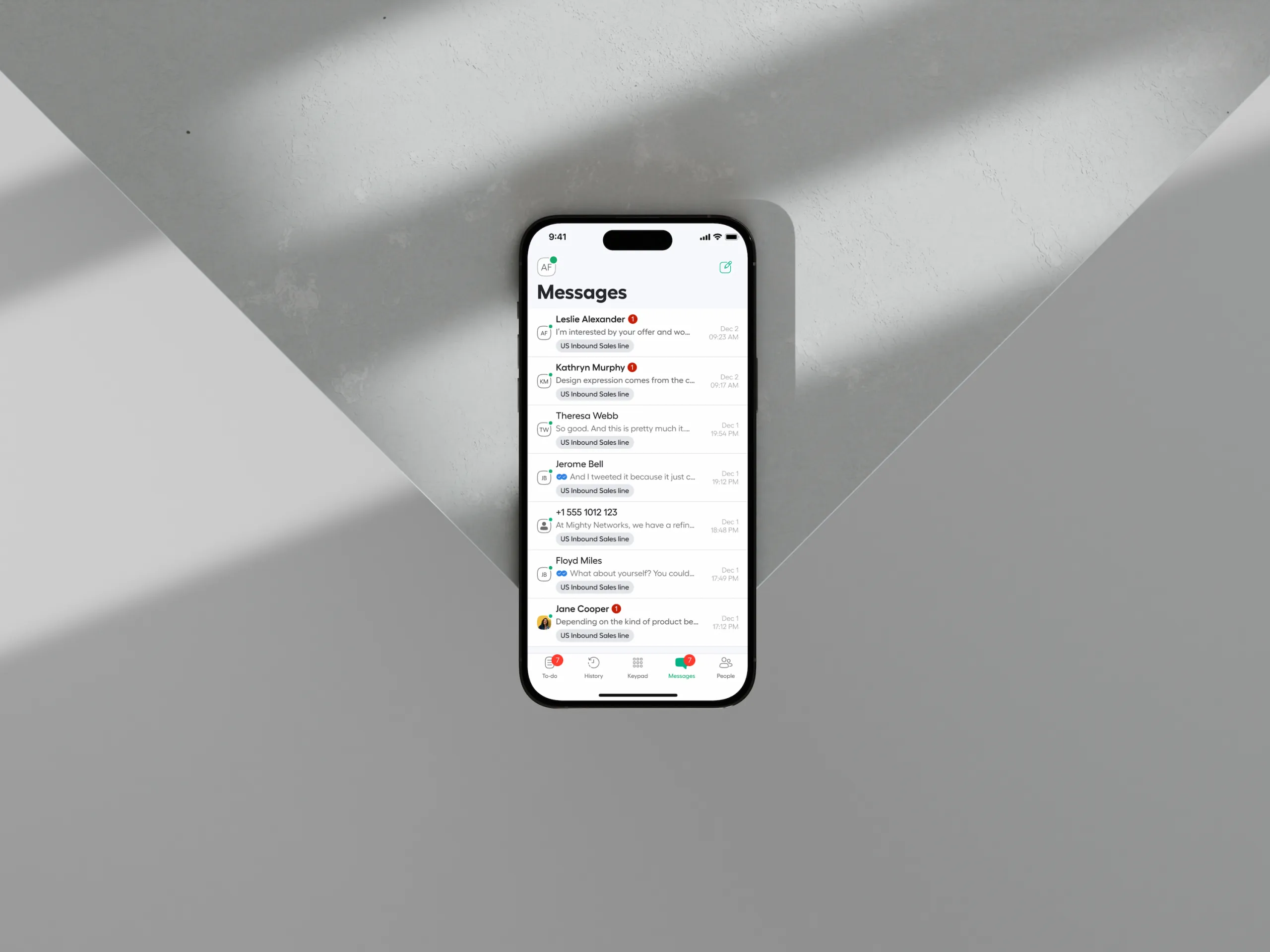
As Aircall expanded beyond voice, I led improvements to the messaging app and helped implement MMS support—enabling users to send and receive multimedia content. This was a key step in enhancing the channel to meet growing demand for richer, more expressive communication.
What was broken and why it mattered.
Data signals
What user interviews revealed
Messaging was hard to find and easy to miss, and the UI felt outdated — users expected WhatsApp-level behaviour. They had no confidence they'd catch an unread message from a customer, so many turned to personal apps like WhatsApp as a workaround.
The question that framed the work.
How might we transform messaging from a pain point into a reliable, scalable, and consistent experience that drives engagement and retention?
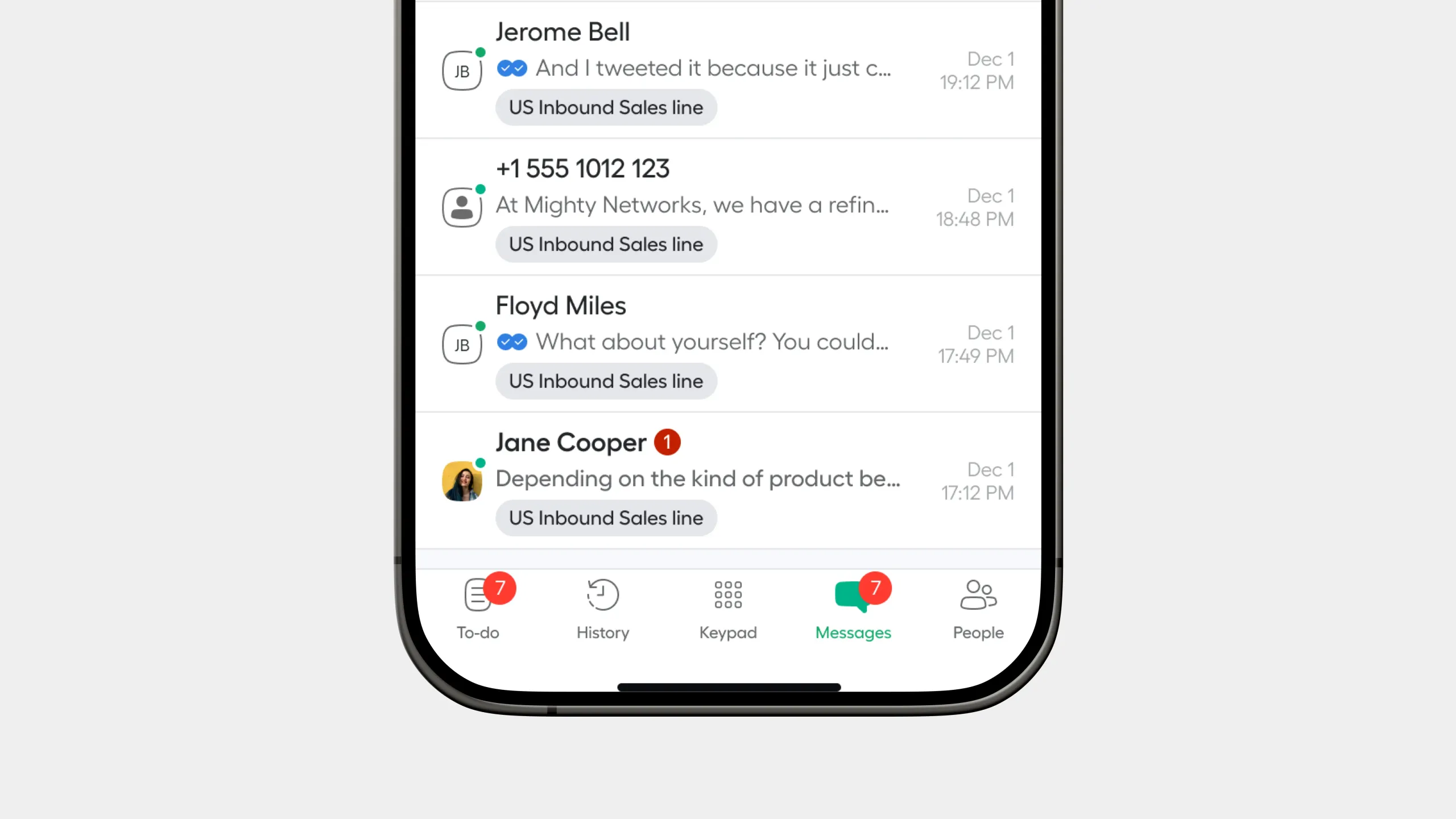
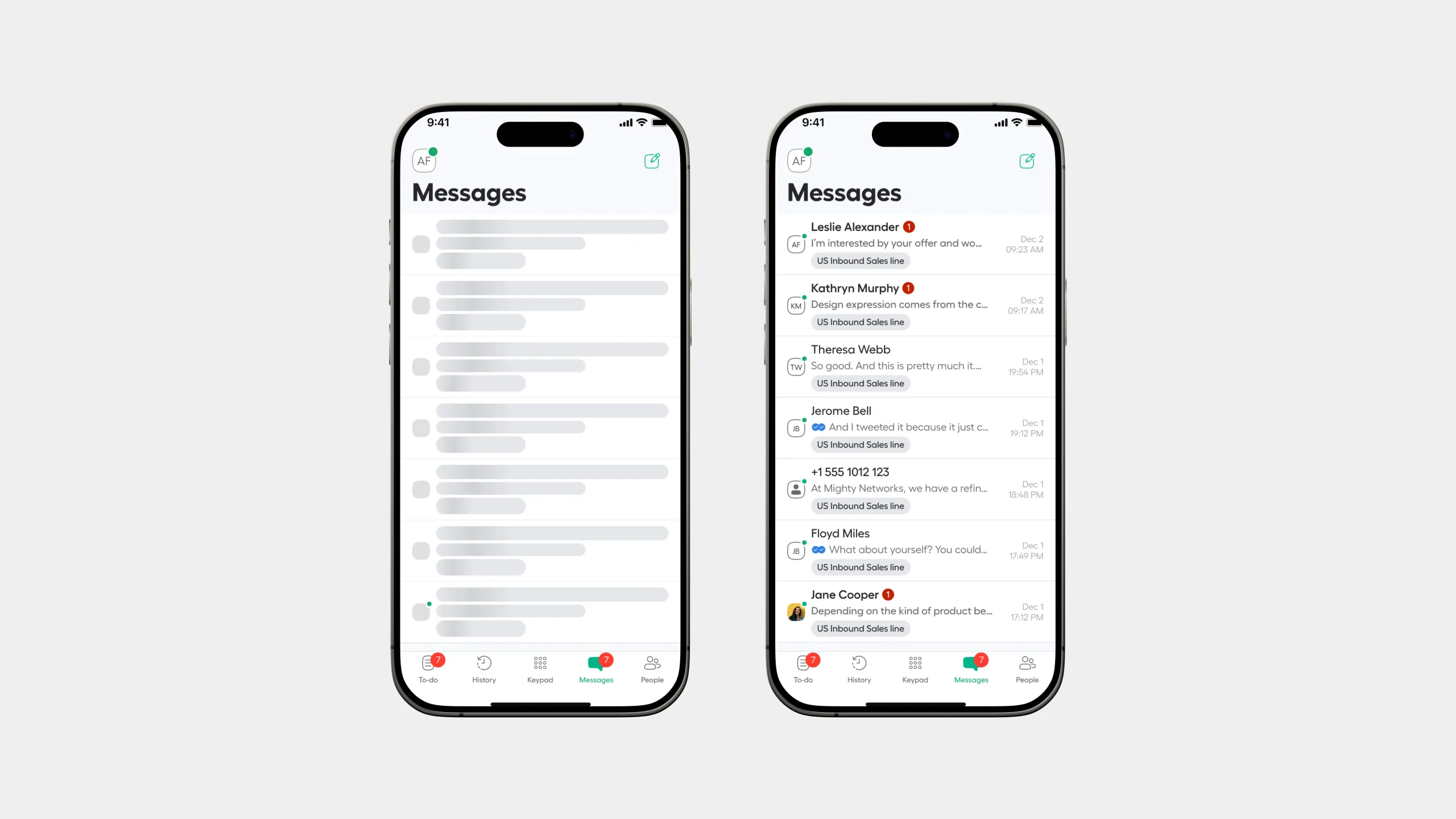
Quicker access to messages
A dedicated space to start and manage conversations, separating message threads from calls entirely — giving messaging the same visibility as a phone call for the first time.
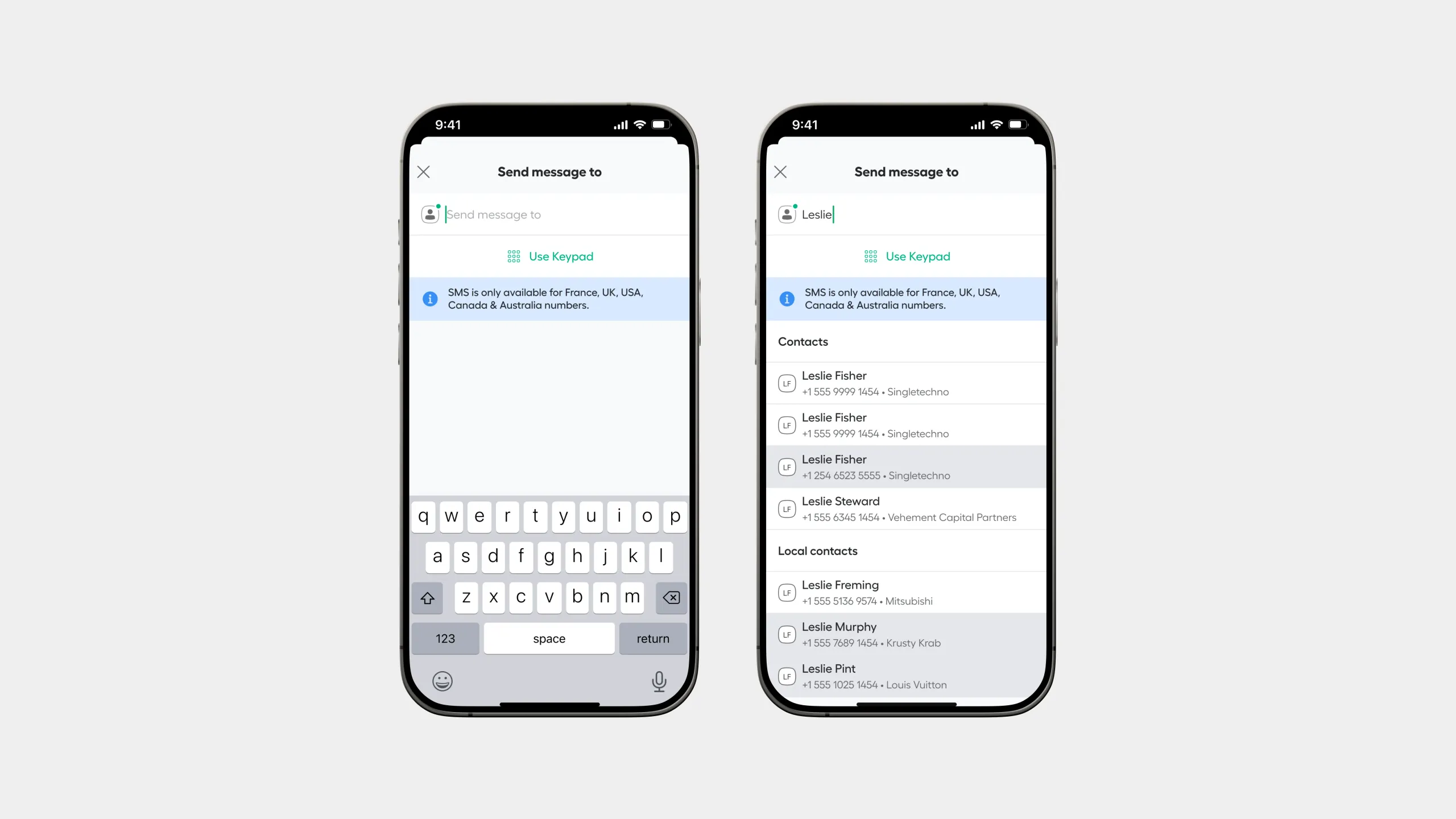
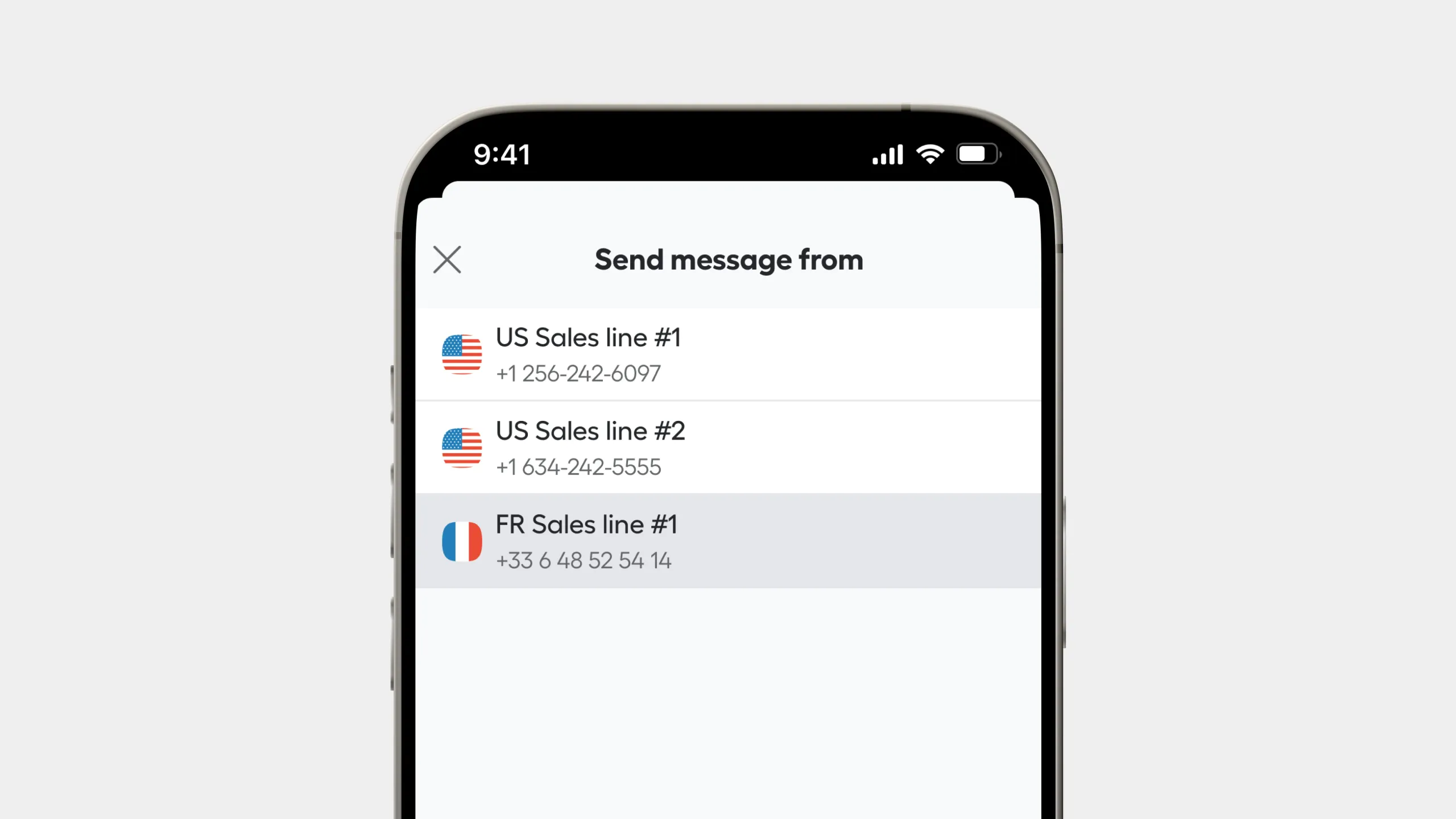
Texting isn't as simple as picking a contact.
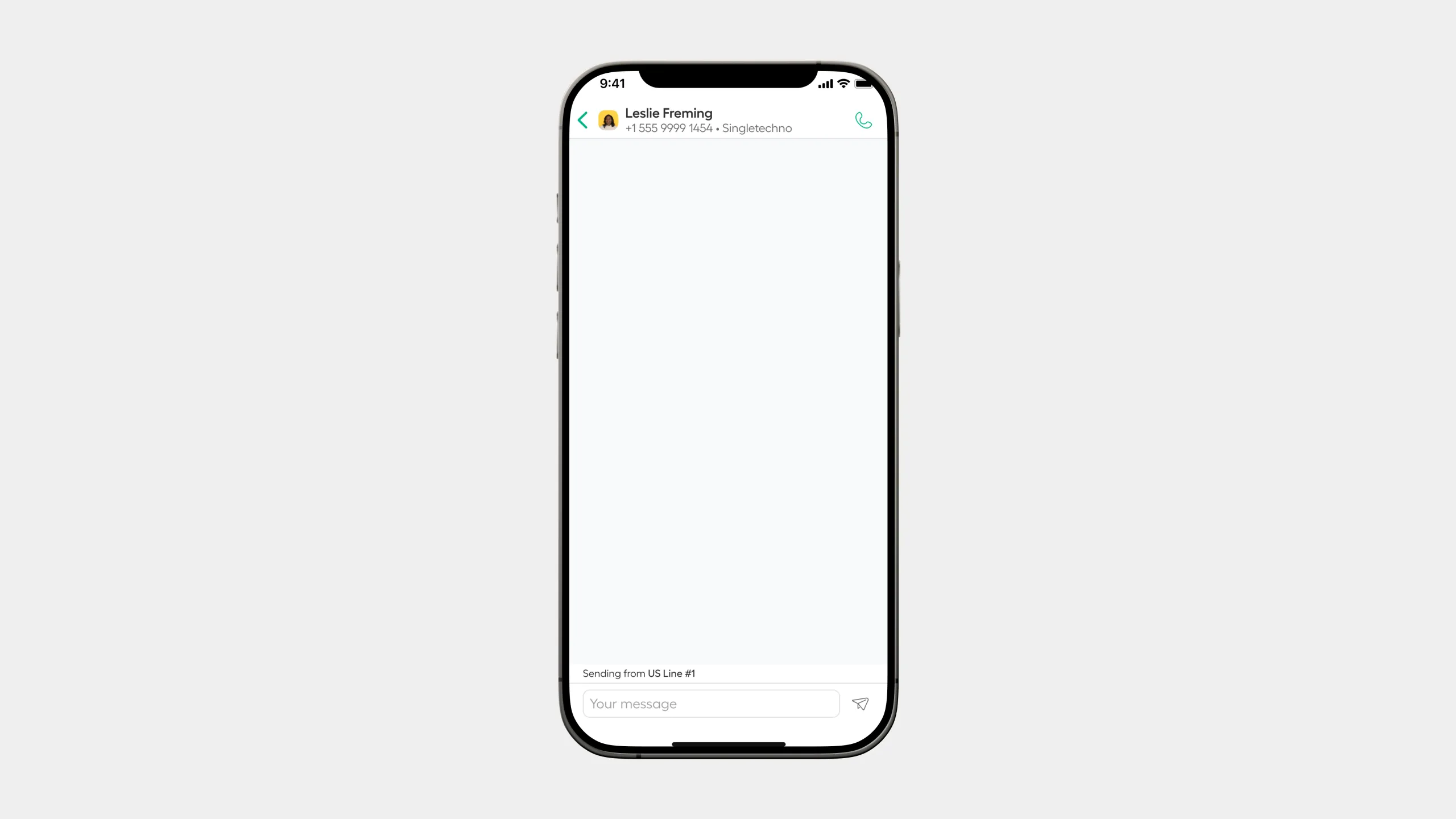
Only national numbers can be messaged, so the flow needed to surface that constraint upfront. Users can choose which number to text from, and contacts with multiple numbers on file are listed clearly instead of forcing a guess.
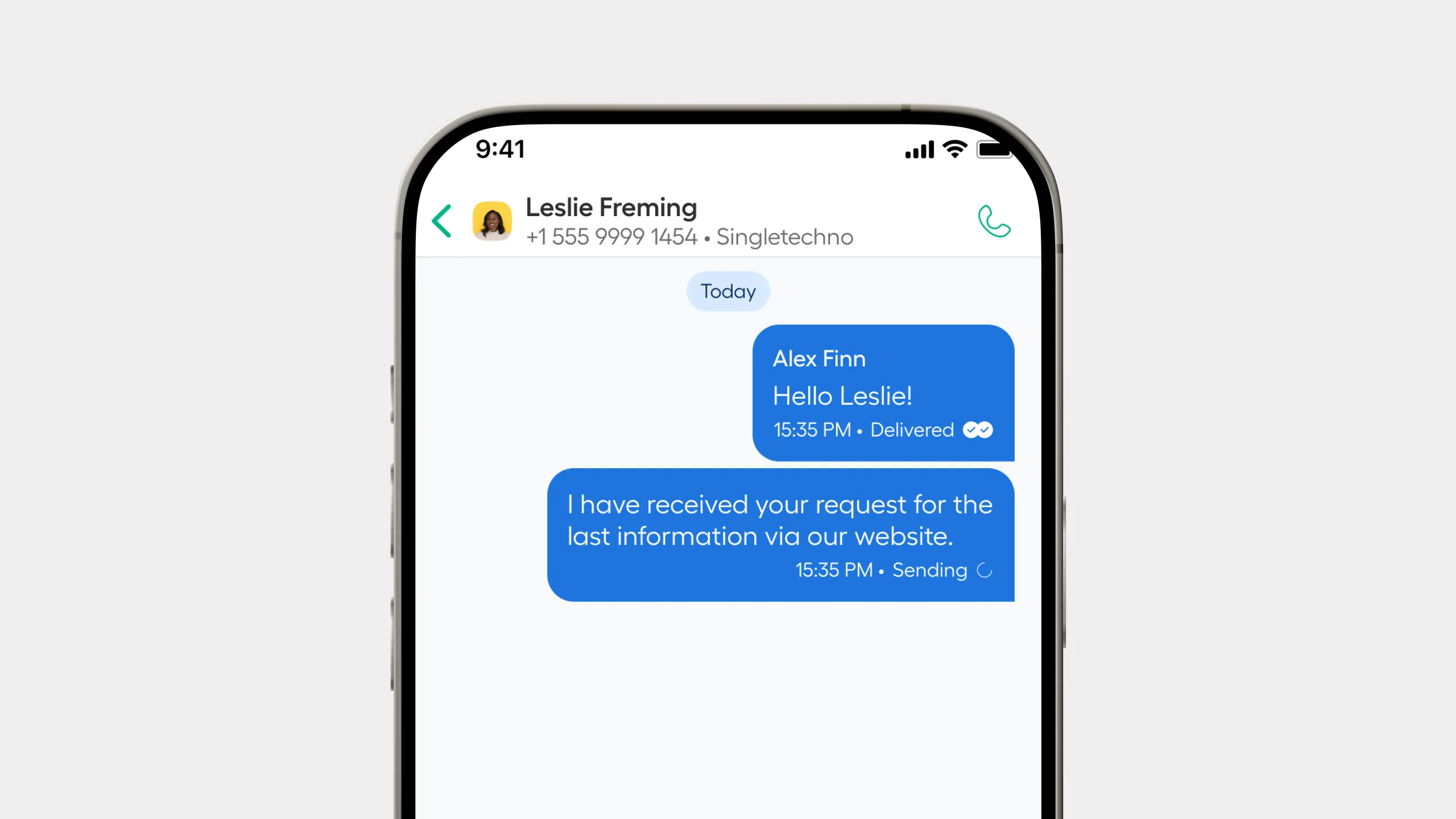
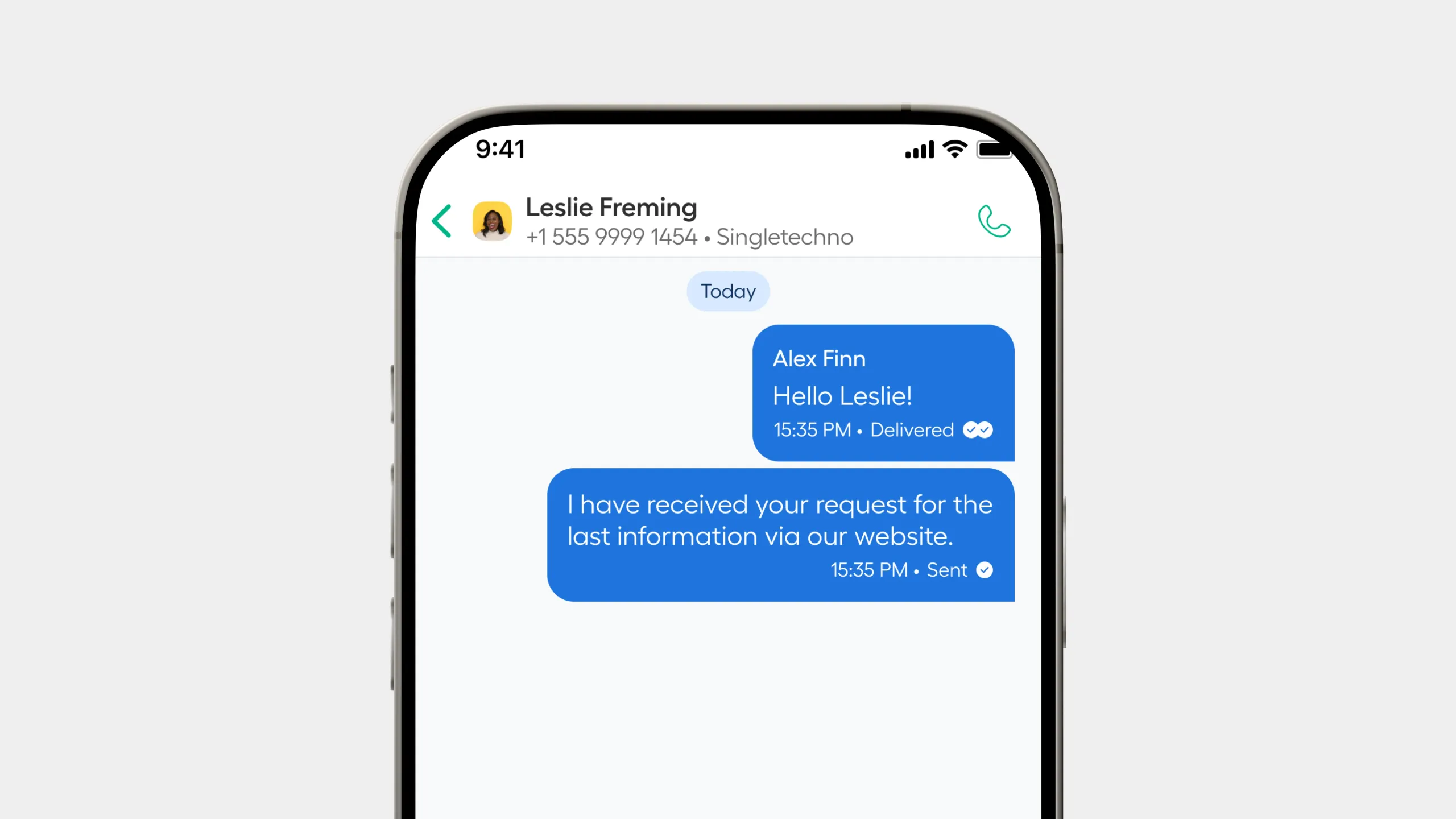
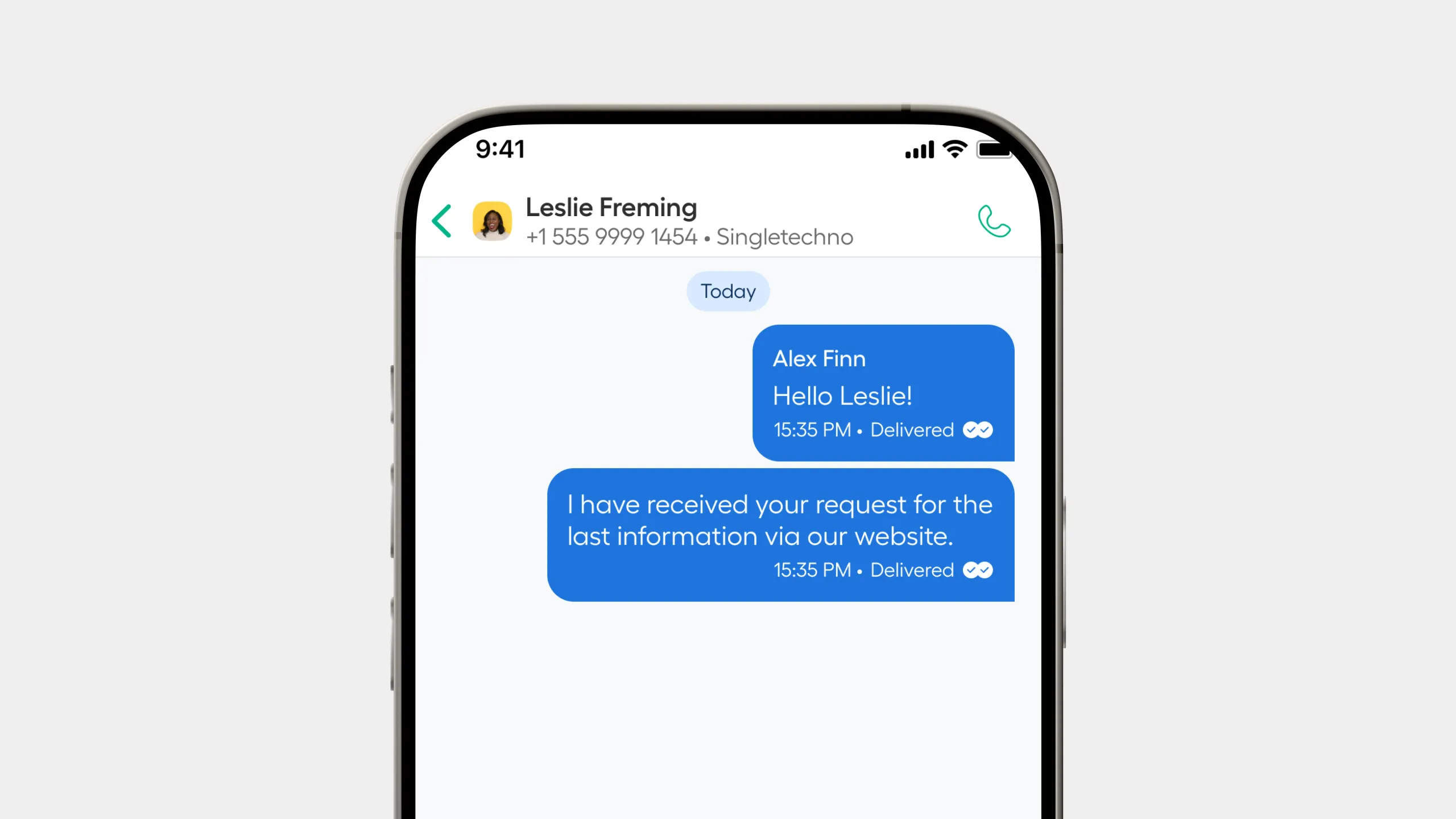
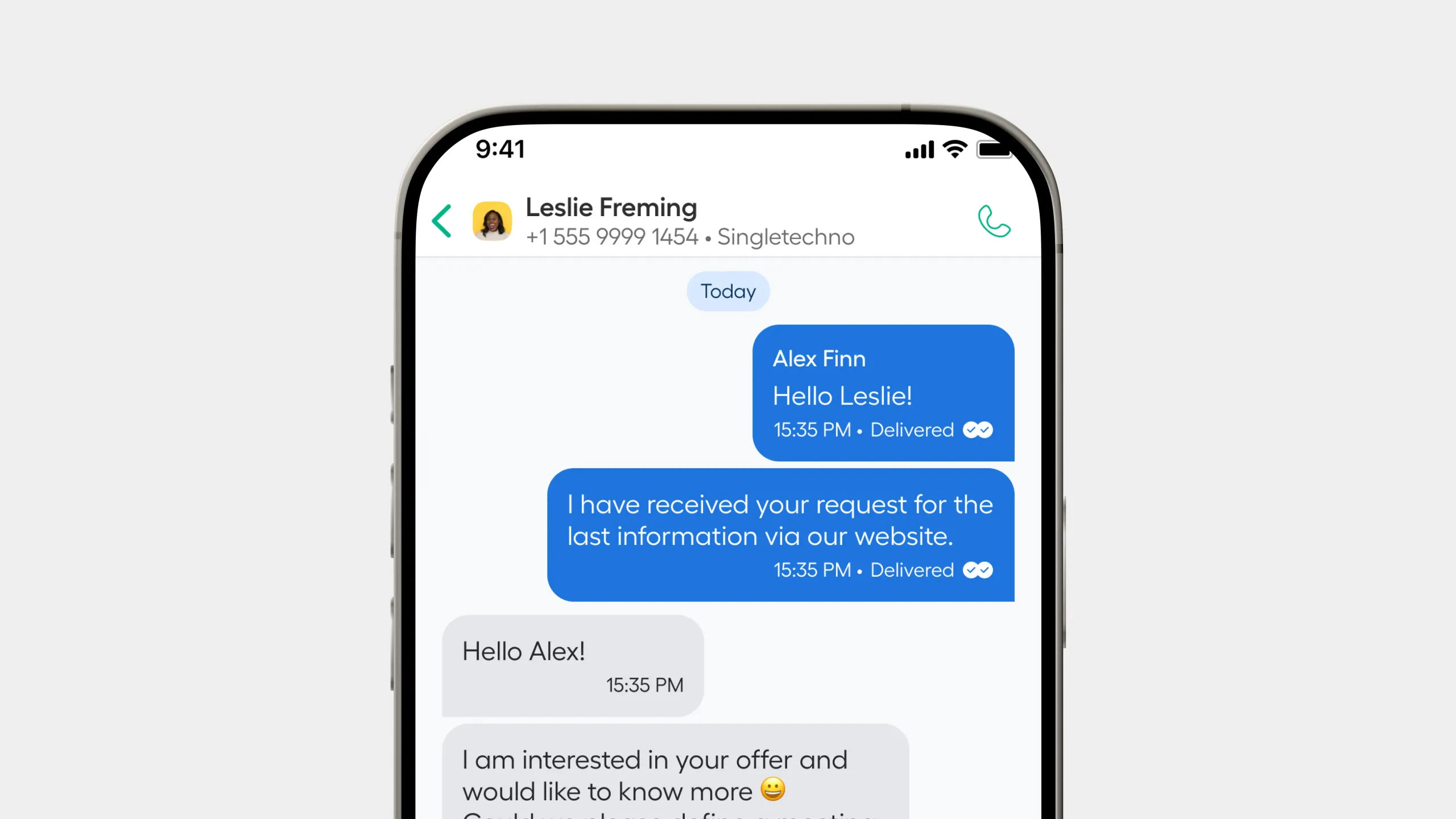
Every message carries a visible status
Sending, Sent, Delivered — so users always know where a message actually stands, closing the confidence gap that pushed them toward WhatsApp in the first place.
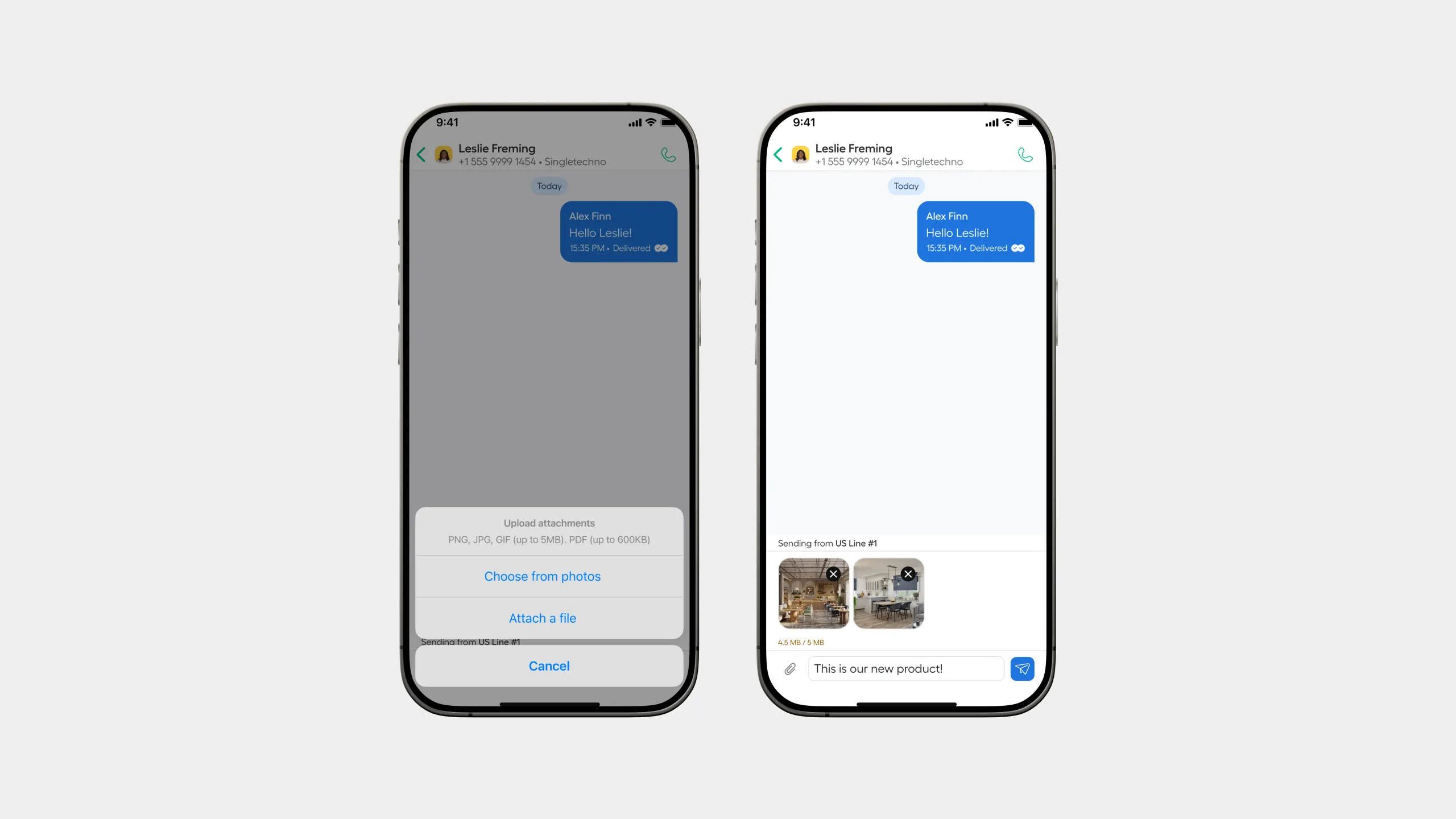
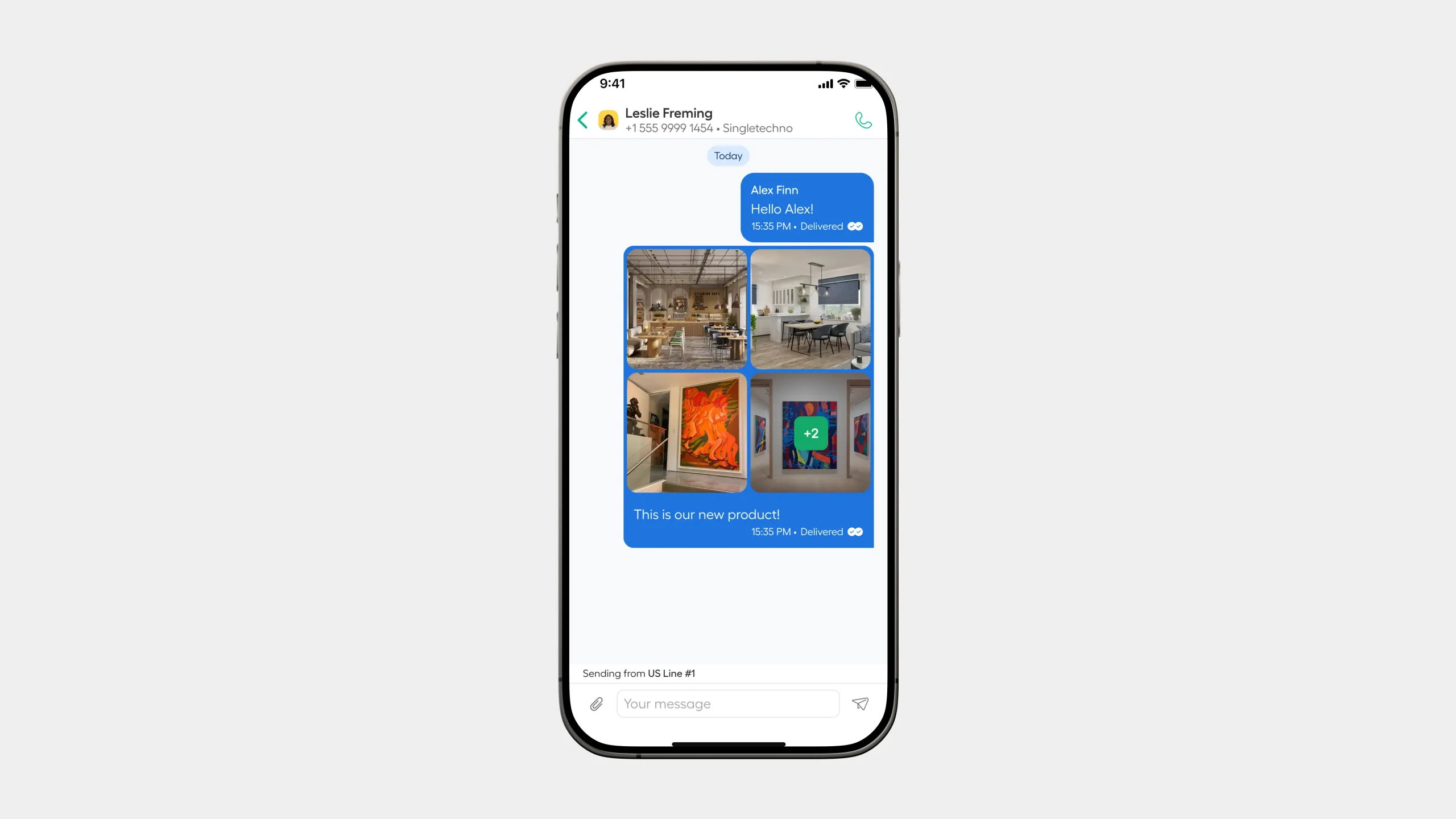
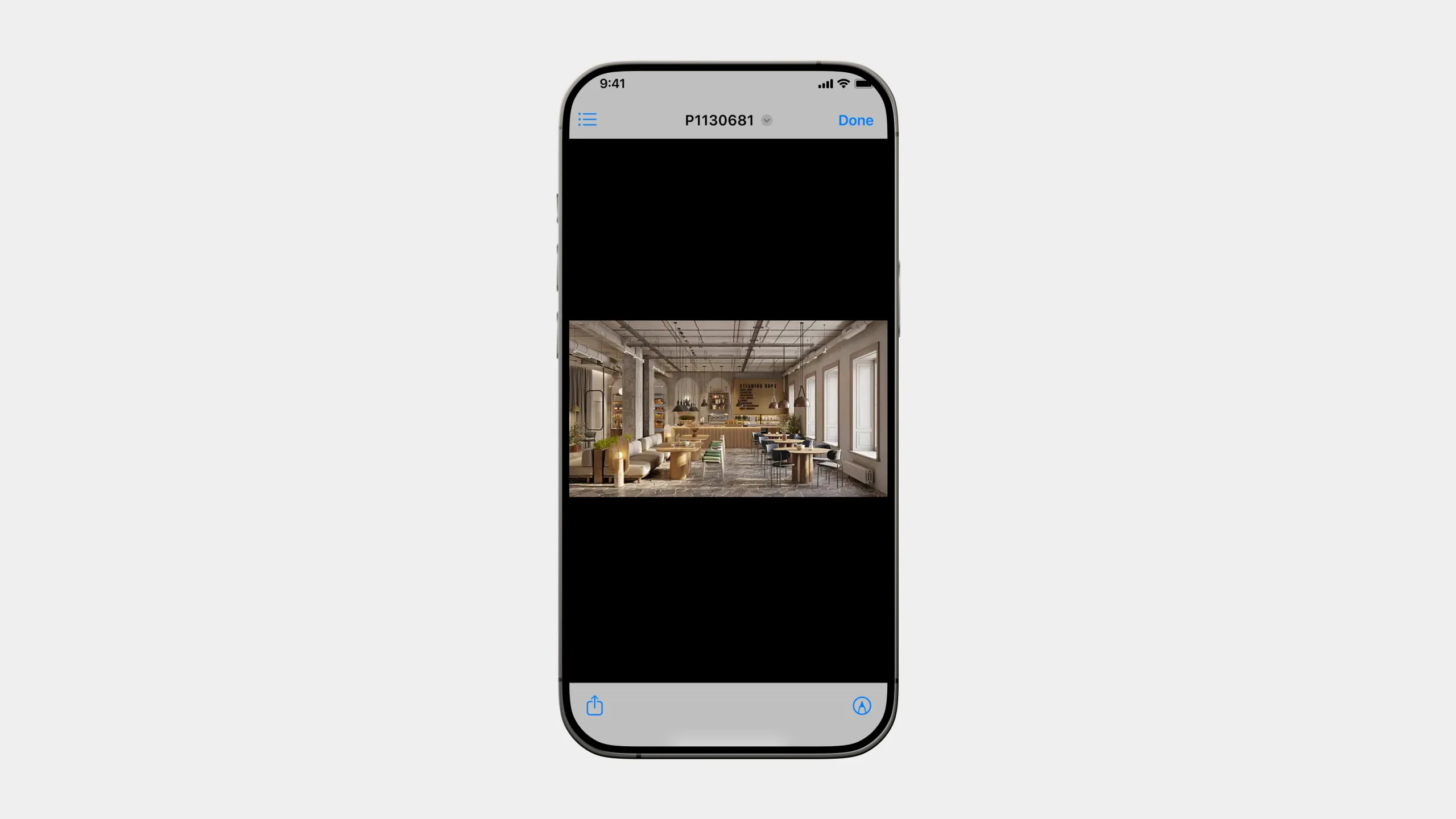
Users can attach images or files
When multiple files are sent together, they're grouped into a single message rather than fragmenting into a wall of separate bubbles.
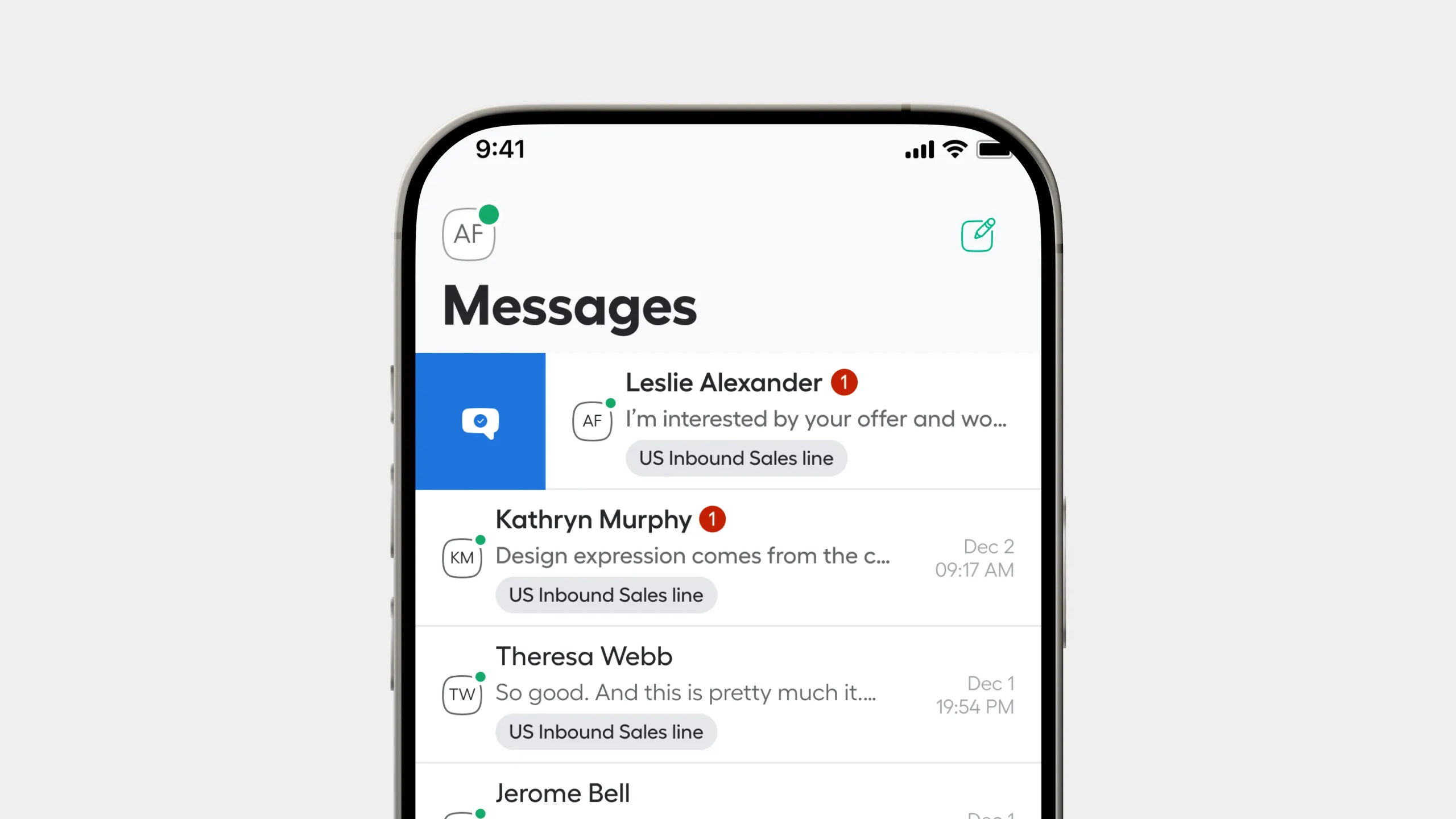
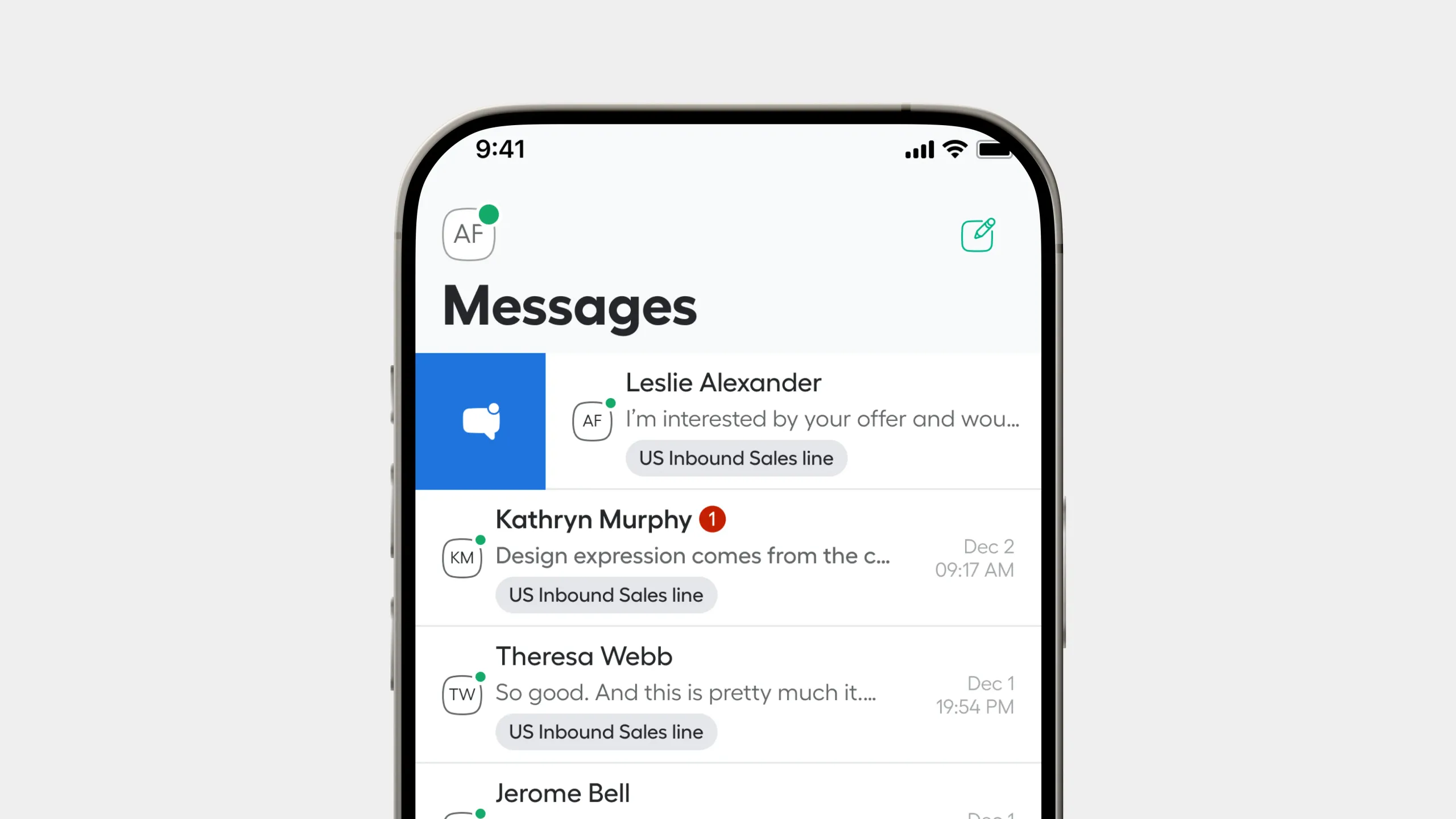
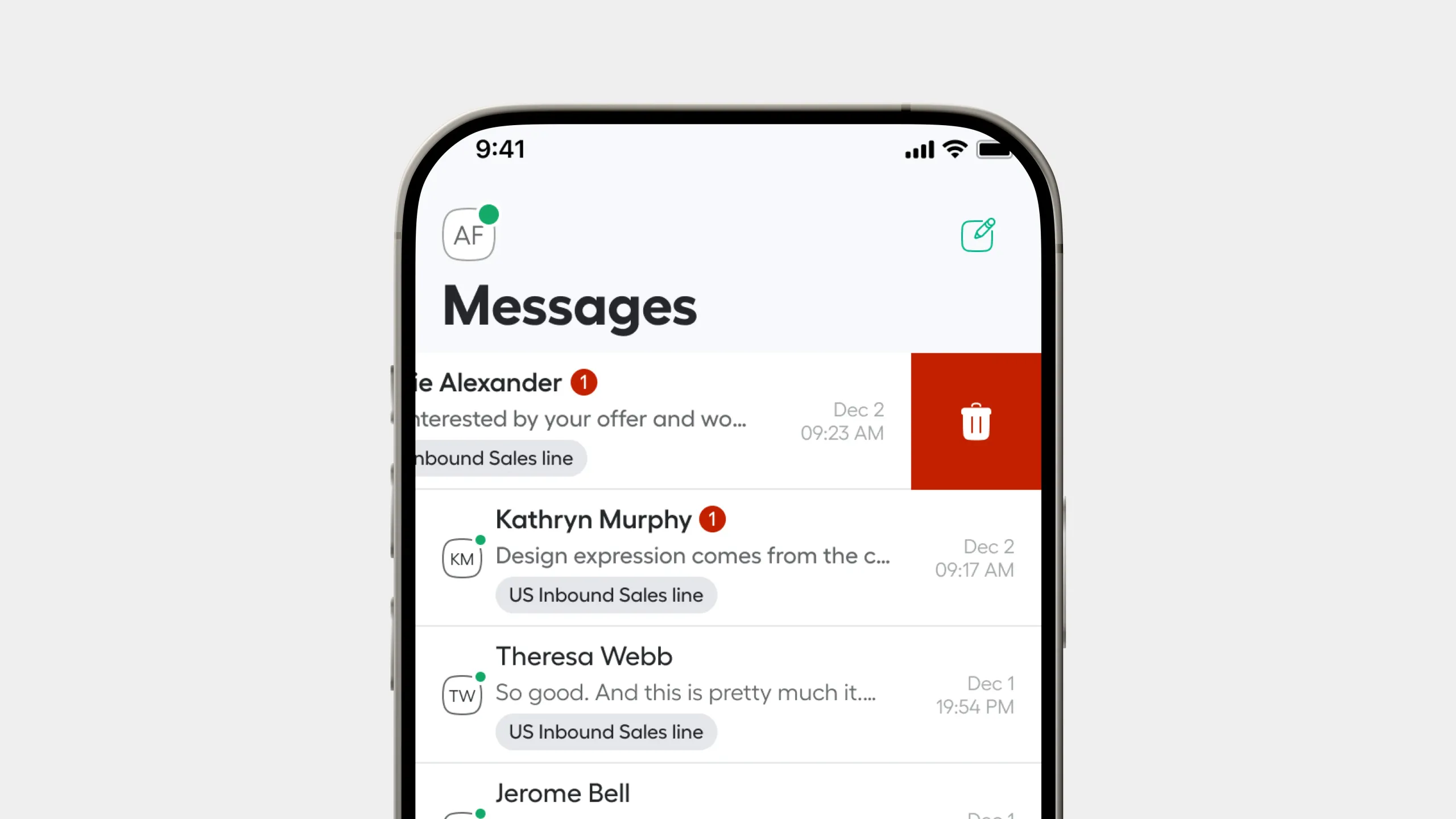
Swipe actions
Mark as read/unread and delete, available directly from the messages list via swipe — no need to open a thread just to manage it.
From Workaround to Flagship Channel
Metrics
/Next case study
Industry ImpactMaxwarehouse Product page & Search
From Friction to Confidence
E-commerce / Wholesale Hardware
-18% PDP abandonment in 60 days