PPC Assist Landing page / Product improvements
[03]
Sellers turned to PPC Assist to escape the daily grind of Amazon Ads — the simplicity, the automation, the time saved. But most kept one eye on Amazon Ads anyway, double-checking every number before trusting the tool. The product wasn't failing on features. It was failing on confidence.
What was broken and why it mattered.
10 interviews across sellers, experts, and agencies revealed a trust problem, not a UI problem.
Data signals
What user interviews revealed
PPC Assist saved time, but users kept one eye on Amazon Ads anyway — trust, not features, was the real blocker.
The question that framed the work.
How might we make PPC Assist reliable enough that sellers stop double-checking it against Amazon Ads?
Rebuilding the landing page
A quarter of visitors stayed two minutes or more without ever booking a demo — engaged, but not convinced. The redesign focused on making the product's value clear at a glance, whether someone was deep into Amazon Ads or brand new to it. Positioning leads before features — "Automate the analysis, not the decisions" — with trust signals like the 5/5 rating right above the fold, before anyone's asked to trust anything.
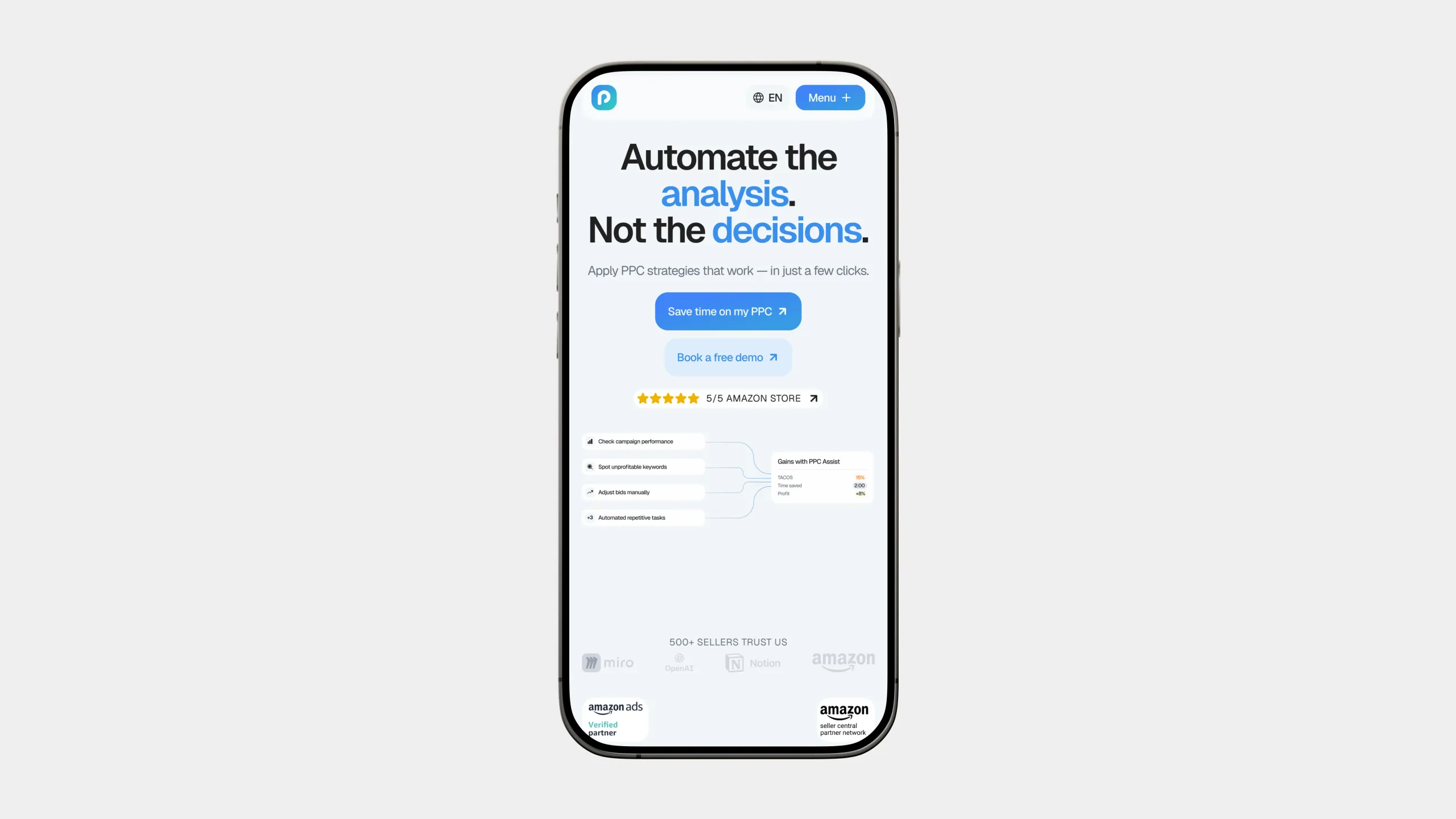 Landing Page Mobile
 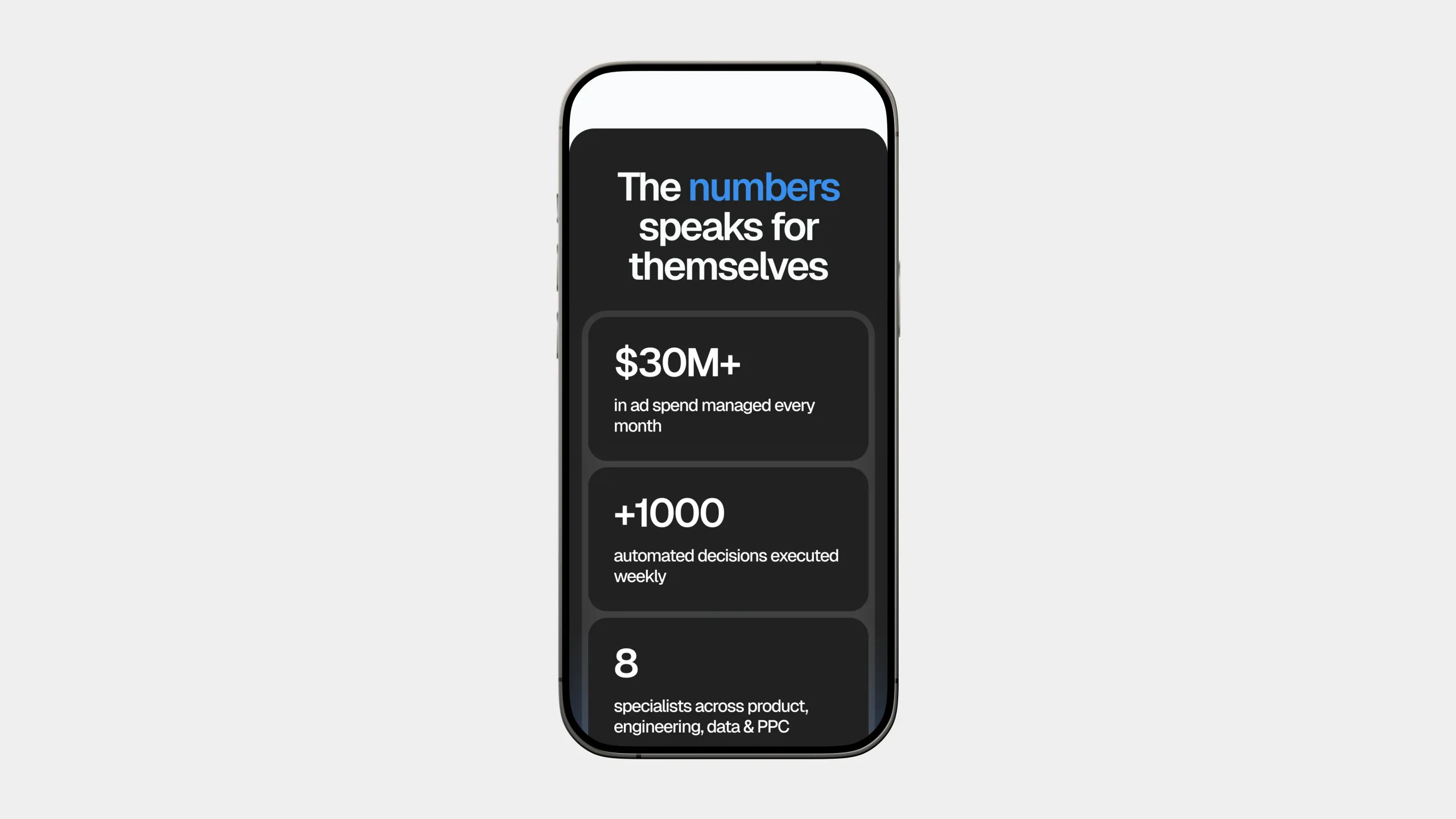 Landing Page Mobile
 Clarifying the Ads Assistant table
Reordered based on what users actually looked at first, not an assumed hierarchy. Added visual reasoning so the Ads Assistant's recommendations were explained, not just delivered as black-box suggestions. Stronger visual codes and color coding replaced the raw-number wall.
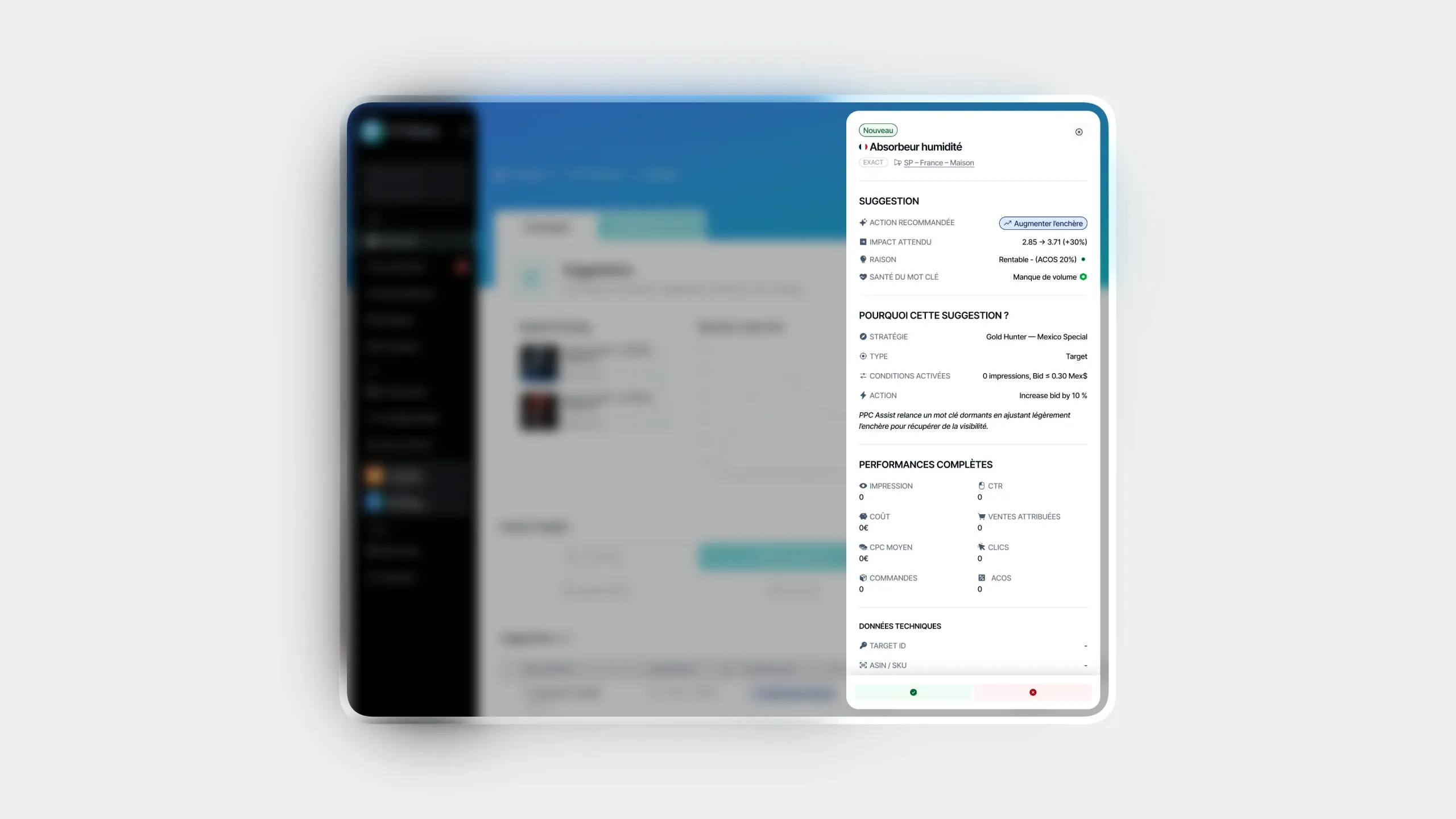 Ads Assistant Table Drawer
 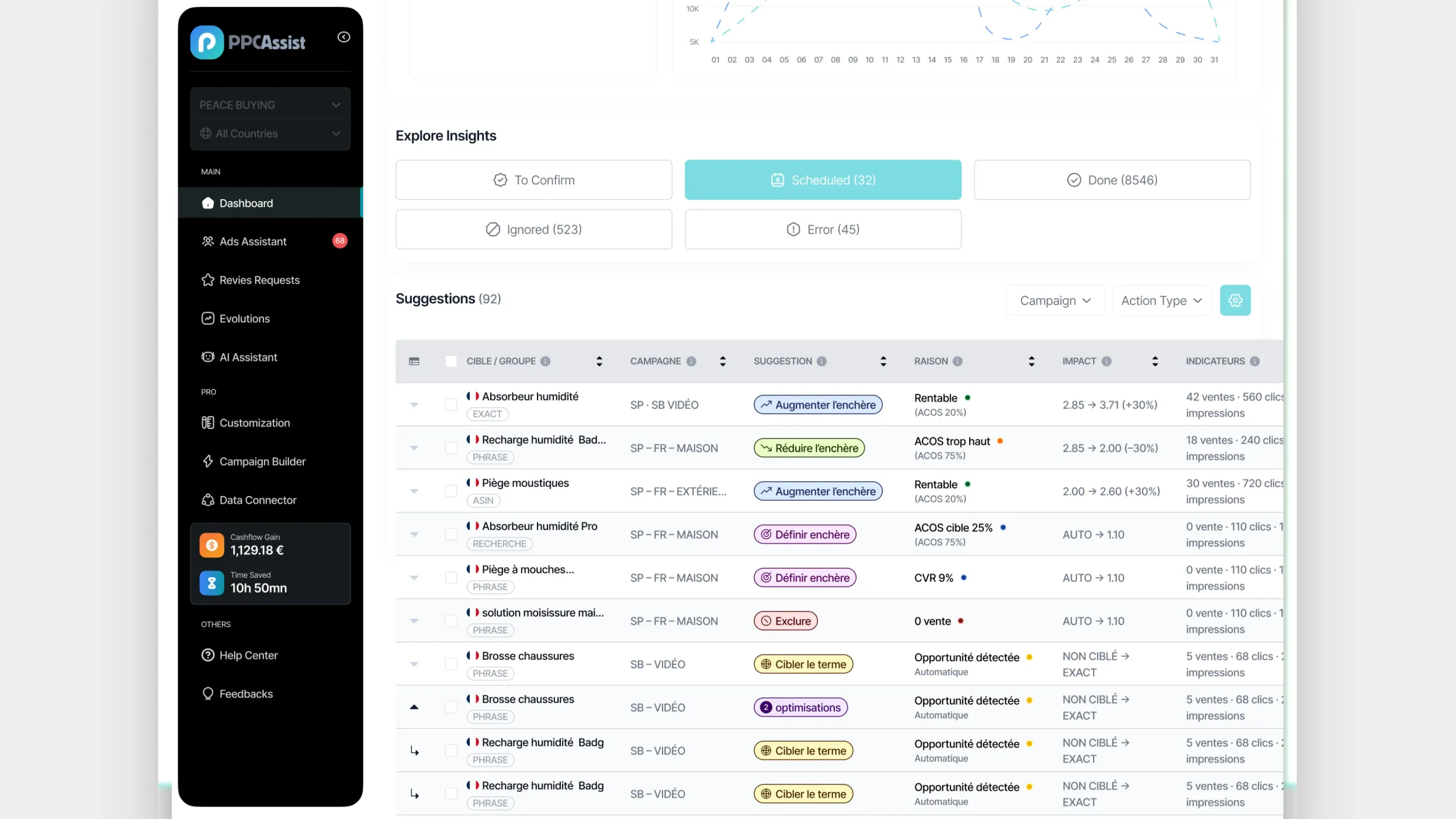 Ads Assistant Table
 From suggestions to priorities
Prioritizes actions by actual business impact, not by volume. Built around how experts really work: if you can't spend more than 5 minutes a day in the tool, you need to see the one thing worth acting on first.
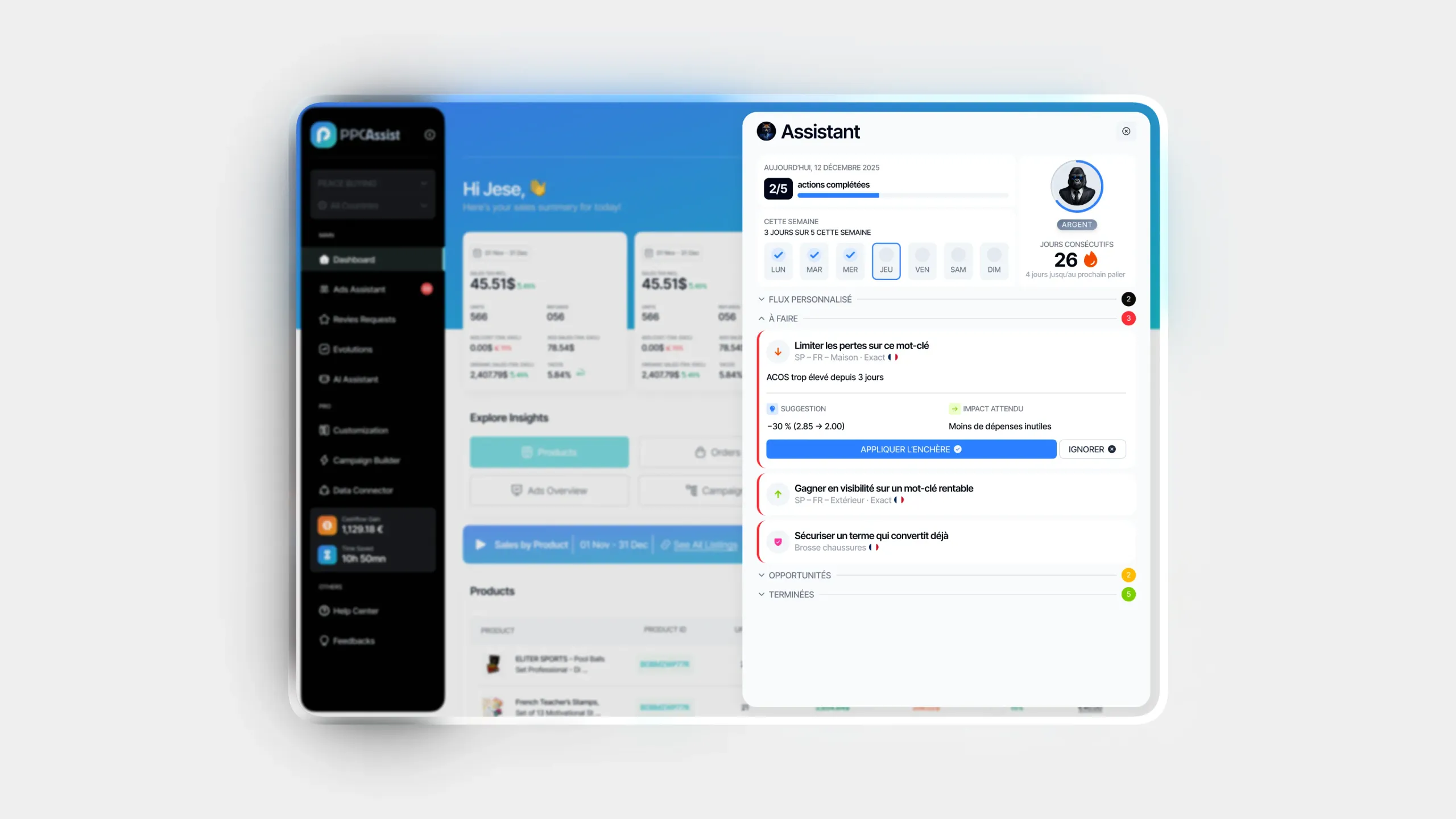 Copilot Module
 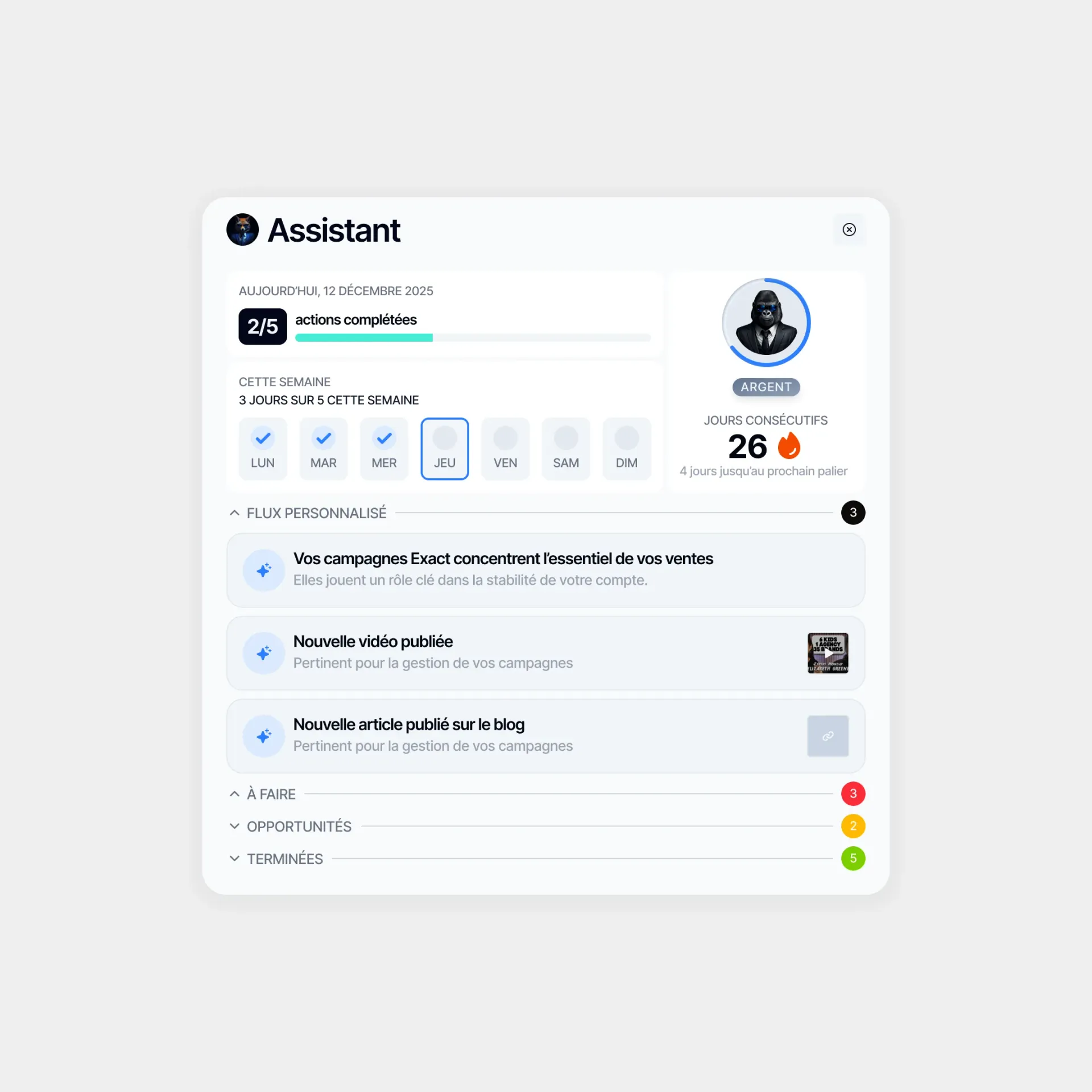 Feed State
 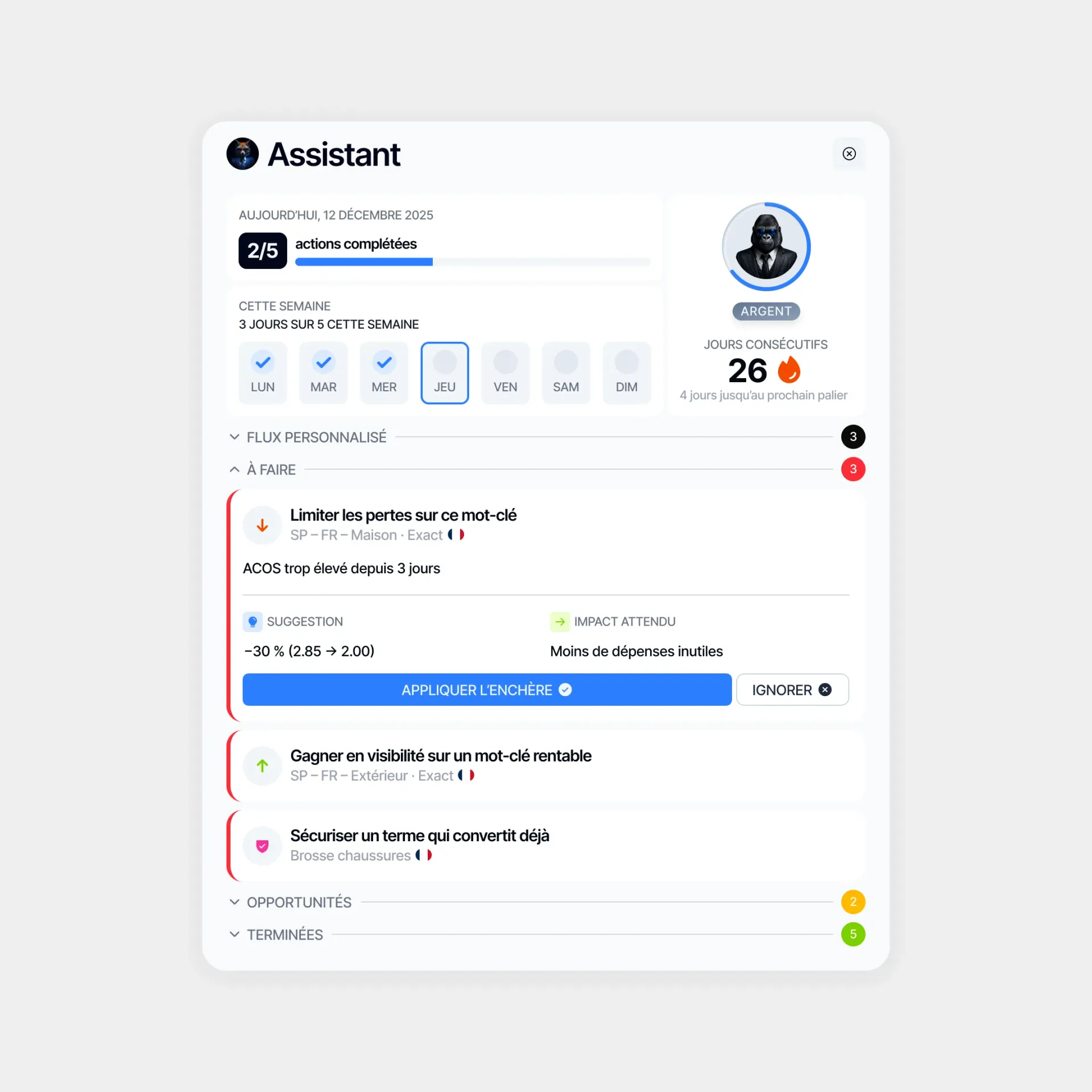 To-do State
 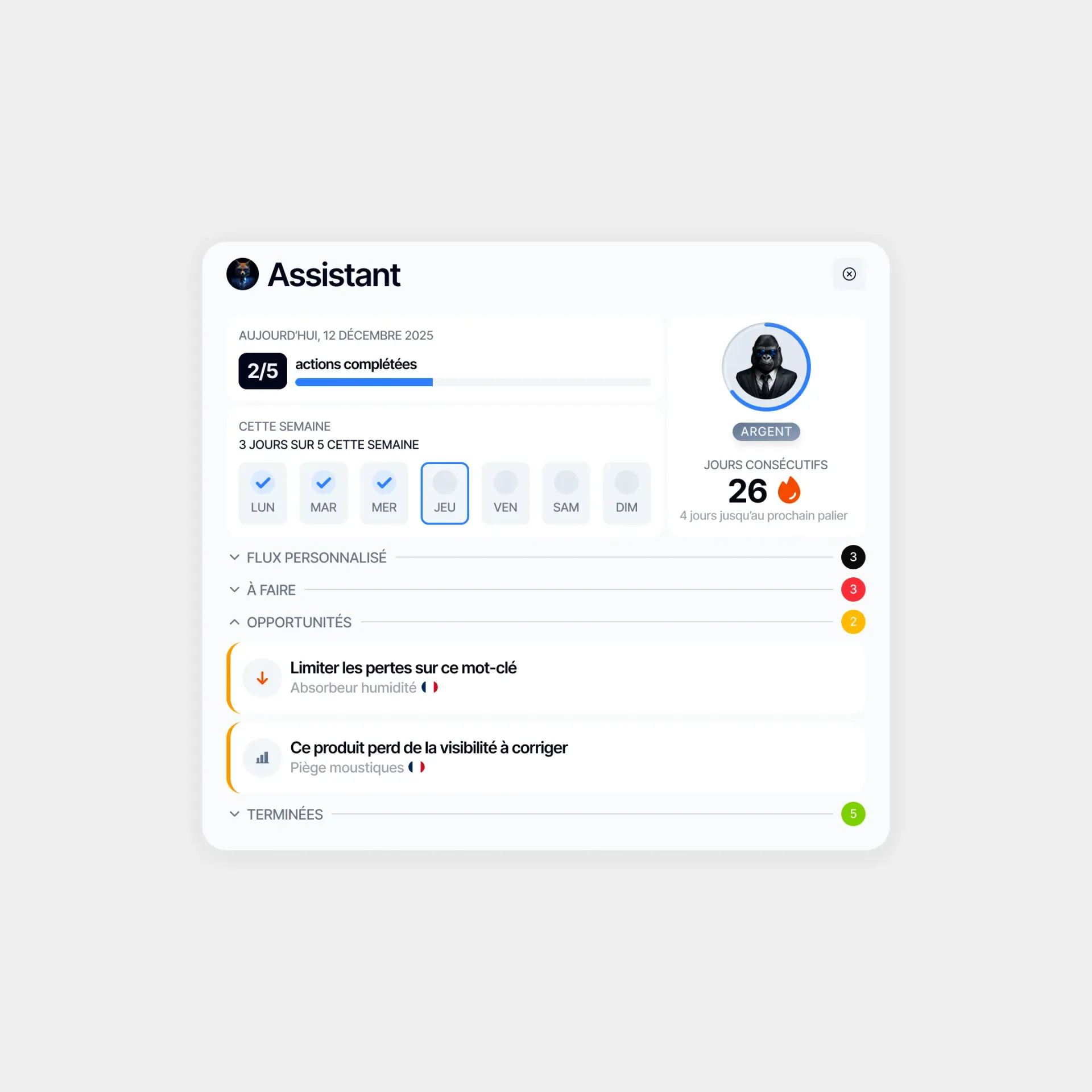 Opportunities State
 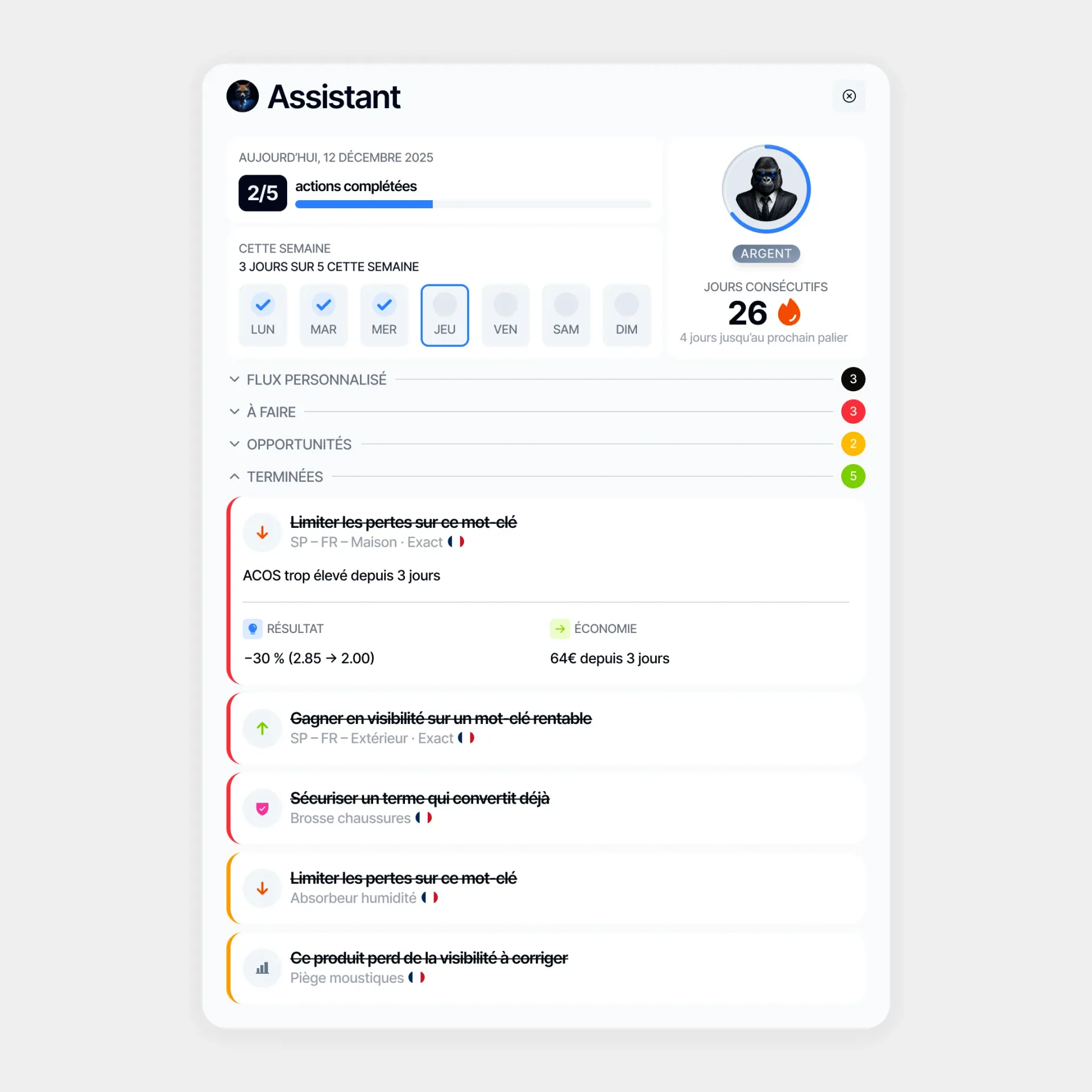 Done State
 From Feature Overload to 5 Minutes of Trust
Metrics
/Next case study
Industry ImpactClarasana Yoga
Building a Yoga Platform From Scratch
Wellness
200 members within the first month of launch — driven by Clara's pre-launch Instagram audience, not paid acquisition